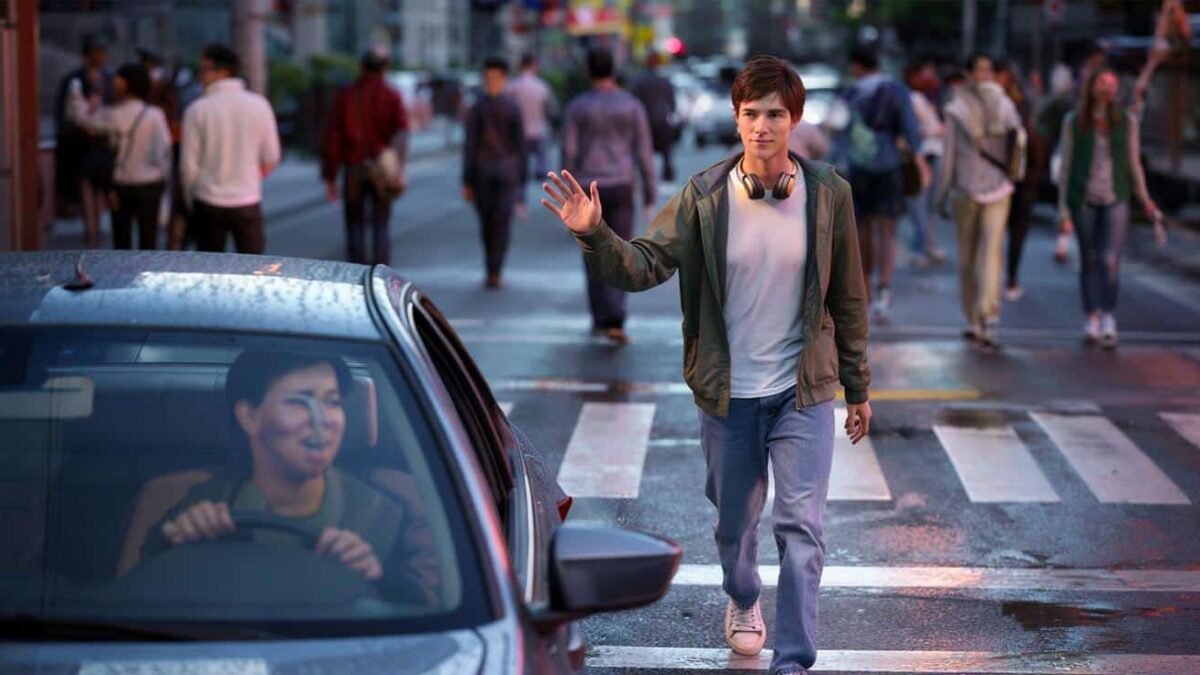
Picture this: a rainy day at a busy intersection, earbuds in, mind elsewhere. As you step into the crosswalk, a driver eases off the gas to let you pass safely. Without thinking, your hand rises in a quick, subtle wave of thanks visible through the windshield. It’s a fleeting moment, but psychologists reveal it uncovers deep insights into your personality traits.
This instinctive gesture isn’t mere politeness. Research into micro-behaviors shows that those who consistently offer this thank-you wave exhibit higher levels of agreeableness, empathy, and prosocial orientation. In essence, they prioritize harmony in shared spaces, recognizing how their actions affect others.

The Science Behind the Thank-You Wave and Personality
Psychologists have long examined how small actions reflect inner character. The thank-you wave stands out as a reliable indicator. Individuals who make this habit score elevated on traits linked to social awareness and cooperation.
Consider lab studies comparing wavers and non-wavers. The former are more inclined to assist strangers, like helping with spilled items or holding doors. They view society as collaborative rather than adversarial, fostering a mindset of mutual support.
This behavior serves as cognitive shorthand. In tense urban settings filled with traffic and haste, the wave signals “I see you” and “I appreciate your adjustment.” It transforms potential friction into a positive exchange, reducing stress for both parties.
Those low in anxiety or high in social ease naturally perform it. For others, skipping it might stem from distraction, distrust, or habit. Yet, patterns emerge: regular wavers report stronger feelings of connection and lower isolation.
- Agreeableness: A core trait driving recognition of others’ efforts.
- Empathy: The ability to sense and acknowledge minor inconveniences caused to drivers.
- Prosocial orientation: A tendency to promote group well-being through subtle acts.
These findings come from repeated observations of everyday kindnesses, highlighting how micro-gestures shape perceptions of the world.
Signaling Your Character Through Subtle Gestures
The thank-you wave acts as prosocial signaling, wordlessly broadcasting your interpersonal style. It conveys awareness, respect, and a non-confrontational presence, traits tied to strong emotional regulation.
In high-stress scenarios, like rush-hour chaos, non-wavers might ignore the driver’s courtesy, escalating tension. Wavers, however, diffuse it with a simple acknowledgment, often eliciting a reciprocal nod or smile.
Communities with frequent such interactions feel safer and more welcoming, regardless of crime rates. This “emotional infrastructure” builds from consistent small acts, enhancing livability.
Personality Traits Linked to Waving
High agreeableness and conscientiousness correlate strongly. Wavers sense responsibility for public spaces, bridging pedestrian-driver divides.
Some resist waving, viewing cars as intruders. Prosocial types see equality: humans navigating shared paths, regardless of vehicle.
Those excelling here often stabilize social groups quietly, through reliability in minor moments.
Over time, these signals accumulate, crafting reputations as approachable and considerate individuals.
Practical Ways to Adopt the Thank-You Wave Habit
Ready to test this? Commit to one week: wave every time a driver yields. Keep it understated—a quick hand lift, no theatrics.
Glance up pre-crossing, note the driver’s direction, then gesture. This reframes “my right of way” to “our coordination,” easing mental load.
Post-wave, observe your relaxation. The nervous system often unwinds, turning obligation into connection.
Avoiding Common Pitfalls
Don’t overdo it; big waves can seem insincere in edgy cities. Opt for neutral, authentic subtlety.
Imperfect timing is fine—slowing counts as yield. Even distracted drivers benefit from the cue.
Forgetful days happen. Treat it as optional practice, not judgment, building empathy incrementally.
- Benefits of consistency: Heightened trust among strangers.
- Mindset shift: From isolation to subtle collaboration.
- Daily gains: Calmer nerves, positive encounters, enhanced reputation.
Expert Dacher Keltner likens such acts to “social vitamins”—small inputs yielding profound effects over time.
How This Gesture Reflects Your Worldview
The thank-you wave mirrors inner states. Open days prompt it effortlessly; stressed ones suppress it. Same streets, varying responses reveal mood climates.
Personalities evolve via patterns. Repeating prosocial acts reinforces empathy and confidence, altering defaults from solitary to interconnected.
These interactions reaffirm humanity’s cooperative core. A yielded crosswalk or held door reminds us: most aim to ease others’ paths, not hinder.
Ultimately, choosing to wave affirms belief in neighborly bonds over ghostly transits. It speaks volumes about trust in fellow humans.
In a divided world, embracing this practice cultivates resilience. It counters cynicism, proving tiny acknowledgments forge communal strength. Start today—your wave might inspire another’s, rippling outward.
By integrating this into routines, readers gain tools for richer interactions. Understand your traits, enhance connections, and contribute to kinder public realms. The thank-you wave proves personality blooms in everyday choices.