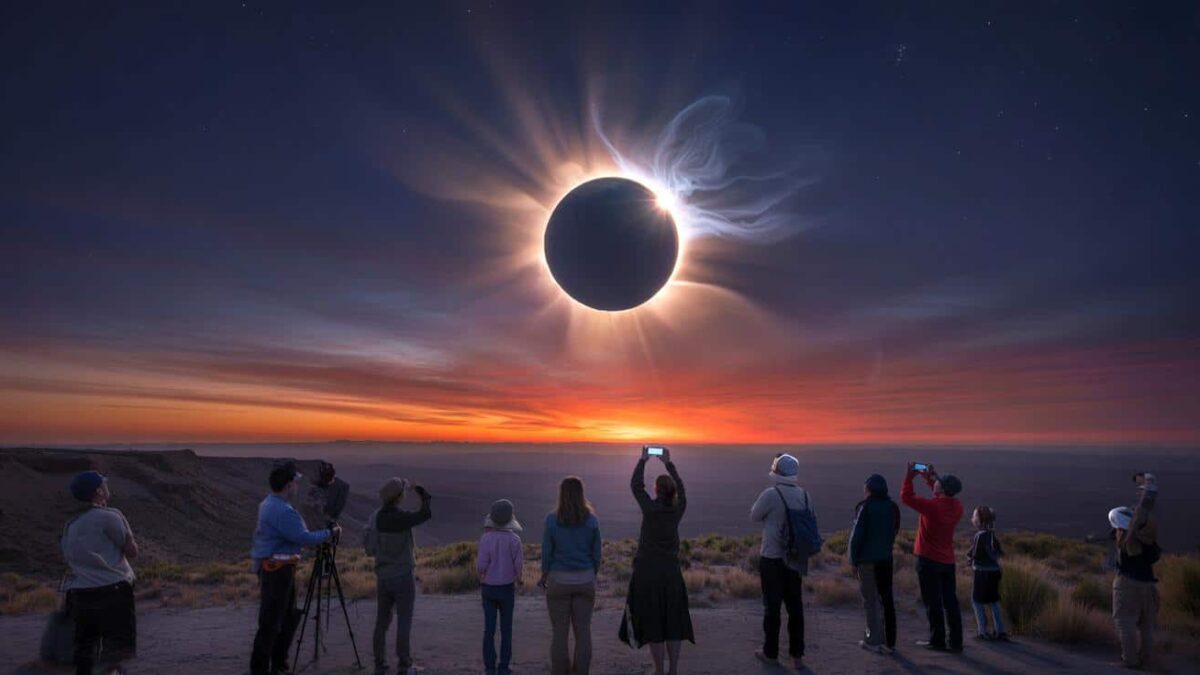
Picture the world falling eerily silent as daylight transforms into an otherworldly twilight. Birds quiet down, shadows grow unnaturally sharp, and a chilling hush settles in at noon. This is the gripping start of the eclipse of the century, offering almost six full minutes of total darkness—a breathtaking celestial event that blurs the line between day and night.
Those positioned in the path of totality will see the Sun completely hidden by the Moon, unveiling the stunning solar corona. It’s more than a sight; it’s a profound blend of science and wonder that leaves viewers forever changed. Eclipse enthusiasts rave about its transformative power, making it a must-see astronomical marvel.



When Does the Eclipse of the Century Take Place?
Astronomers buzz about this total solar eclipse as a highlight of our era. Unlike shorter events that last only two or three minutes, this one provides up to six minutes of totality right along the centerline, giving you time to fully soak in the surreal atmosphere.
The Moon’s umbra casts a narrow shadow across Earth. Only inside this band do you get the complete show: stars visible in daytime, the glowing corona, and a sudden drop in temperature. A partial view elsewhere simply can’t compare, missing the magic of full immersion.
Accounts from previous eclipses highlight its emotional punch. Viewers from the 2017 American eclipse described it as a moment that redefined their sense of wonder. Others from Pacific events recall the spine-tingling quiet and vivid details that linger for years.
What Makes This Eclipse Uniquely Spectacular?
The impressive length comes from ideal cosmic conditions. At its closest to Earth, the Moon looks larger, perfectly covering the Sun. Earth’s angle prolongs the shadow’s stay, creating this extended total solar eclipse that’s rare even among experts.
History adds to the excitement. Past eclipses saw extreme efforts, like jet chases to prolong viewing. Today, anyone with proper gear can experience it from the ground, capturing raw awe through eyes and simple devices.
This alignment isn’t just rare—it’s a perfect storm of orbital mechanics. The result? A prolonged darkness that lets you witness daytime constellations and the corona’s delicate streamers. It’s a reminder of our tiny place in the universe.
Top Locations for the Longest Totality Experience
For maximum duration, aim for the path’s centerline where the shadow lingers longest. Experts favor dry deserts, high plateaus, and coastal areas with the best odds of clear skies during the event window.
The track often sweeps through remote yet accessible regions in places like central Africa, Pacific atolls, or vast South American landscapes. Stay central in the “golden strip” to hit those full six minutes of darkness; edges shorten it quickly.
Expect booming crowds in host areas. Small towns will overflow with visitors, hotels book solid, and locals rent rooftops for views. Like the 2017 surge that tripled populations overnight, prepare for traffic and supply shortages.
Key Factors for Picking the Best Eclipse Spots
Clear weather is paramount, backed by long-term cloud data. Higher elevations offer crisper air and unobstructed panoramas.
- Low cloud risk: Target spots with under 20% historical cover.
- Access ease: Choose near airports, lodging, and highways.
- Centerline proximity: Locks in the full six minutes.
- Backup plans: Have multiple sites based on forecasts.
Cities may host big parties, but wilderness spots deliver intimate drama under starlit skies. During totality, city lights won’t matter—focus on that perfect, cloud-free view.
How to Prepare and Safely Enjoy the Eclipse
Start observing an hour before first contact. Slip on ISO 12312-2 certified eclipse glasses as the Moon bites the Sun’s edge, watching it morph into a glowing crescent.
Note the changes: diamond-sharp shadows, faded colors, cooling air. At totality, ditch the glasses for the corona’s radiance, Bailey’s beads, and nature’s stunned reactions—a feast for all senses.
Smart viewing skips heavy photography. Many regret screen-staring; instead, take a handful of shots then live in the moment fully.
Logistics and Safety Essentials
Plan ahead to beat crowds. Arrive early, pack water, snacks, and shade.
- Protect your eyes: Use certified glasses or filters—never look directly except in totality.
- Map it out: Use eclipse simulators and weather apps.
- Handle crowds: Camp nearby, fill gas tanks early.
- Keep it light: A smartphone works; prioritize sensation over social media.
- Tune into nature: Listen for silence, watch animals, feel the chill.
Seasoned viewers say: forget the phone after the first look. The direct experience burns into your soul, sparking joy, tears, or profound silence.
The Profound Impact of Six Minutes in the Dark
This event ranks with nature’s greatest shows, like northern lights or meteor showers, forging lifelong memories. Those extra minutes allow deep contemplation, whether solo or with family—a child’s amazement or a shared gasp.
Aftermath buzz fades, but the eclipse’s shadow endures, fostering awe at cosmic scale. Rare chances like this draw global travelers; don’t miss your shot at this perspective shift.
In essence, the eclipse of the century delivers unmatched wonder. Secure your spot on the path early, prioritize clear skies, and dive in completely. This brief cosmic dance will redefine your world—where will totality catch you?