As the days grow shorter and cooler weather sets in across Australia, millions are eagerly anticipating the end of daylight saving. This annual shift promises an extra hour of sleep for residents in several states, marking the transition back to standard time after months of extended evening light. Understanding the exact date and implications can help you prepare smoothly.
In New South Wales (NSW), Victoria, South Australia, Tasmania, and the Australian Capital Territory (ACT), daylight saving concludes at 3am on Sunday, April 5. Clocks will roll back one hour, effectively granting that welcome additional sleep. This change reverses the forward shift that occurred at 2am on October 5 the previous year.



Modern technology makes the transition easier, with smartphones, computers, and vehicles often adjusting automatically. However, manual clocks require a physical turn-back to avoid scheduling mishaps. Staying informed ensures you won’t miss important commitments.
When and Where Does Daylight Saving End in Australia?
Not every part of Australia participates in daylight saving. Regions like Queensland, Western Australia, and the Northern Territory stick to standard time year-round. Similarly, residents of Christmas Island and the Cocos (Keeling) Islands do not observe it, while Norfolk Island does.
During the daylight saving period, mainland Australia operates across five time zones. For instance:
- Queensland remains on Australian Eastern Standard Time (AEST).
- ACT, NSW, Tasmania, and Victoria shift to Australian Eastern Daylight Time (AEDT).
- South Australia uses Central Daylight Time (ACDT), 30 minutes behind AEDT.
- Northern Territory stays on Central Standard Time (ACST).
- Western Australia holds to Western Standard Time (AWST).
These variations can complicate travel and coordination, especially near state borders. Planning ahead for time differences is crucial for seamless interstate interactions.
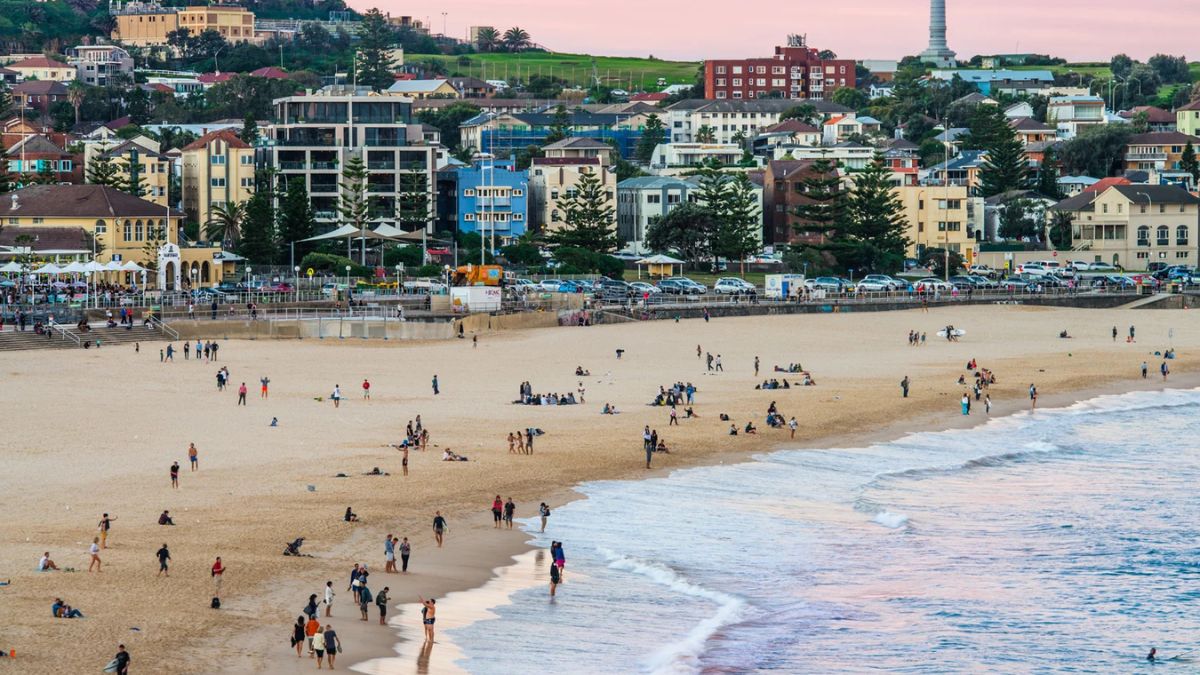
Daylight saving provides about 18 million Australians with prolonged afternoon sunlight during warmer months. Many cherish this for post-work outdoor activities like beach swims or evening walks, associating it with the quintessential Aussie summer lifestyle.
The History and Purpose of Daylight Saving in Australia
Origins During Wartime
Daylight saving was first trialed in Australia amid World War I as an energy-saving tactic. Governments aimed to reduce artificial lighting needs by aligning clocks with natural evening light. It was reintroduced during World War II for similar conservation reasons.
Post-war, it became a fixture in southeastern states—NSW, Victoria, South Australia, Tasmania, and the ACT. These areas adopted it permanently, while Queensland, the NT, and WA opted out after public debates and referendums.
Duration and Seasonal Timing
Typically spanning from early spring to early autumn, daylight saving lasts around six months. It starts on the first Sunday in October and ends on the first Sunday in April. This setup maximizes evening daylight hours when demand for outdoor leisure peaks.
Proponents highlight its alignment with summer vibes, boosting productivity and recreation for indoor workers. A Yahoo News poll of over 8,600 readers revealed mixed views: 54% opposed it, while 32% favored year-round implementation.
Health Risks and Challenges of the Time Change
The switch can mimic jet lag, disrupting circadian rhythms. Dr. Yu Sun Bin from Sydney University notes that advancing clocks robs people of about 40 minutes of sleep initially. This fatigue elevates risks of heart attacks, strokes, and vehicle accidents.
Impacts on Vulnerable Groups
Children, farmers, and rural dwellers face amplified issues. Early sunrises clash with school and work schedules, while border communities juggle mismatched times. Even pets, especially dogs, may show anxiety from altered feeding and exercise routines.
- Increased tiredness leads to safety concerns on roads.
- Sleep deprivation heightens cardiovascular strain.
- Routine-sensitive animals need gradual adjustments.
Experts advocate for standardized times nationwide, akin to international trends, to mitigate these effects. Preparation, like gradual sleep shifts, can ease the transition.
Debates and Calls for Reform
Opposition grows from farming sectors. Tanya Jolly of the Country Women’s Association of NSW reports demands to shorten daylight saving from six to four months. NSW Farmers President Xavier Martin echoes this, stating it would benefit rural communities without full abolition.
Farmers argue late sunrises hinder early operations, exacerbating fatigue in cooler months. Balancing urban leisure preferences with agricultural needs remains contentious.
Public sentiment varies, with polls showing dissatisfaction yet attachment to summer extensions. Ongoing discussions may shape future policies.
Preparing for the End of Daylight Saving
As April 5 approaches, review all clocks and schedules. Double-check appointments, especially across states. Use this extra hour of sleep to recharge amid shortening days.
Embrace the change by planning cozy evenings indoors as wetter weather looms. Stock up on comfort foods and reflect on how daylight saving enhances—or challenges—your lifestyle.
In summary, the end of daylight saving on April 5 offers a silver lining with that extra hour of sleep for millions in NSW, Victoria, South Australia, Tasmania, and the ACT. While it brings evening darkness earlier, it aligns with nature’s shift toward winter. Weighing benefits like summer vibrancy against drawbacks such as health disruptions underscores the ongoing debate. Stay prepared, respect time zone quirks, and make the most of standard time ahead—your well-rested self will thank you.