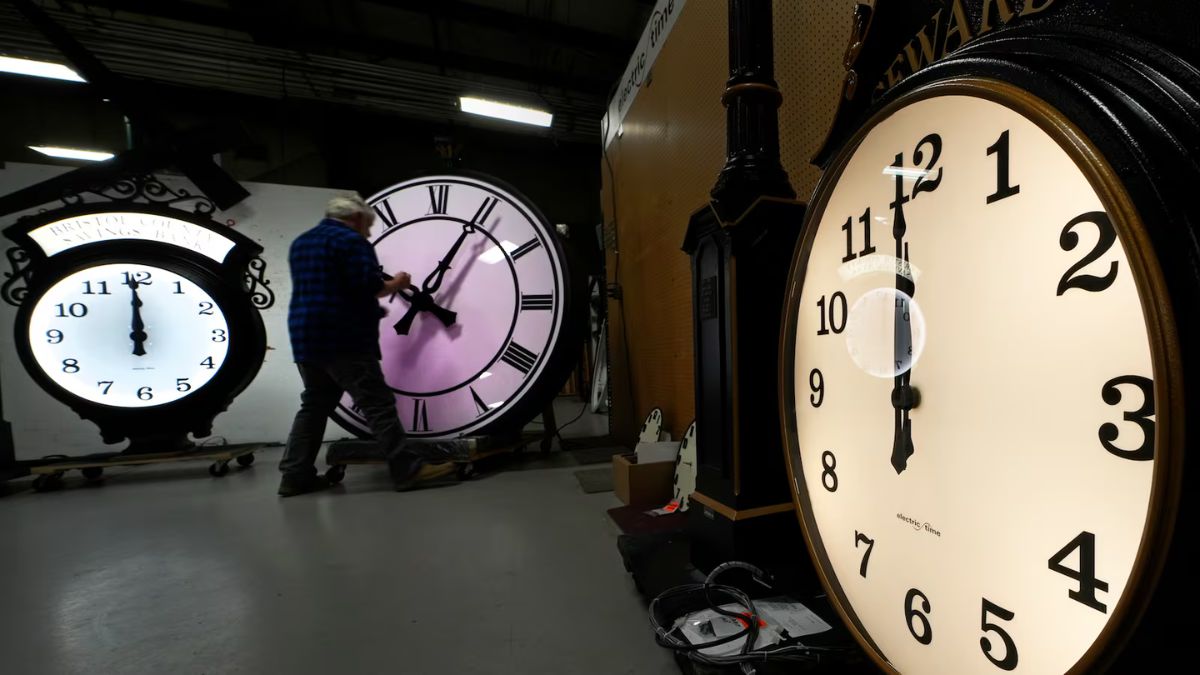
As winter gives way to spring, Canadians gear up for the familiar yet disruptive daylight saving time shift. On Sunday, March 8, at 2 a.m. local time, clocks across most provinces will spring forward one hour, trading sleep for extended evening sunlight. This annual ritual, while promising brighter afternoons, often leaves people feeling groggy and out of sync.
Smartphones and computers typically update automatically, but manual clocks need a nudge ahead the night before. Forgetting this change could mean showing up late to work or missing important appointments, so preparation is key to smooth sailing into the season.



When and Why Do Clocks Spring Forward?
The spring forward ushers in daylight saving time, stretching daylight into the evenings from the second Sunday in March through the first Sunday in November. At precisely 2 a.m., clocks jump to 3 a.m., effectively shortening that night’s sleep by 60 minutes while aligning human activity with later sunsets.
Originally designed to save energy by reducing reliance on artificial lighting during peak hours, this practice dates back over a century. Though debates rage on its modern necessity amid efficient LEDs and shifting lifestyles, it remains standard in much of North America to maintain cross-border consistency with the U.S.
- Precise timing: 2 a.m. local time advances to 3 a.m. on March 8.
- End date: Clocks fall back in November, restoring the hour.
- Pro tip: Hit the hay earlier on Saturday to offset the lost sleep.
Tools like world clock apps or government time websites can prevent mix-ups, especially for frequent travelers juggling multiple zones.
Automatic vs. Manual Clock Adjustments
Digital devices dominate today, syncing effortlessly through internet-based time protocols. iPhone and Android users should confirm “Set Time Automatically” is enabled in settings for seamless transitions.
Traditional analog watches and wall clocks demand hands-on adjustment—simply turn them forward 60 minutes before retiring Saturday evening. This old-school method ensures you’re not caught off guard come morning.
For jet-setters or commuters, air travel adheres to destination times, while trains and buses stick to local standards. Border hoppers between observing and non-observing regions must double-check to avoid headaches.
Regional Variations Across Canada
Canada’s vast landscape means daylight saving time isn’t universal, with provinces and territories holding sway over their policies. This creates a diverse map of observance, impacting travel and coordination.
Full participants: Ontario (most areas), Quebec (majority), Atlantic Canada, Prairie provinces (except much of Saskatchewan), and the territories generally follow the switch.
Opt-outs: Yukon adopted permanent standard time in 2020; most of Saskatchewan sticks to year-round standard; pockets in British Columbia like Creston, plus isolated spots in eastern Ontario, Quebec, and Nunavut skip it entirely.
- Yukon’s move prioritizes stability for residents and businesses.
- Saskatchewan aligns with neighboring U.S. Central Time without shifts.
- B.C. exceptions like Dawson Creek mirror Alberta’s schedule.
Over 90% of Canadians experience the change, but verifying local rules via official sites prevents confusion during inter-provincial trips.
Health Risks from the Time Shift
The abrupt clock change disrupts the body’s circadian rhythm, the natural cycle dictating sleep, eating, and hormone release. Recent studies link the spring forward to spikes in heart attacks (up 24% in the first week), strokes, obesity risks, and traffic fatalities due to fatigue.
This one-hour jolt acts like mild jet lag, hitting hardest on the following Monday when alertness lags behind the new clock. Vulnerable populations—shift workers, seniors, and kids—face amplified effects from desynchronized internal clocks.
Researchers like Patricia Lakin-Thomas from York University emphasize that forcing social time ahead induces stress on biological rhythms. Opting for permanent standard time could safeguard public health long-term.
Understanding Circadian Disruption
Morning sunlight normally suppresses melatonin to promote wakefulness; artificial shifts throw this off, leading to exhaustion, irritability, and foggy thinking. The disruption peaks mid-week before rhythms realign.
- Expose yourself to natural morning light gradually.
- Skip caffeine after noon on Sunday to protect sleep quality.
- Limit naps to under 30 minutes if needed.
- Stick to regular bedtime habits for faster recovery.
The Push to Abolish Clock Changes
Momentum builds nationwide to ditch biannual switches amid health concerns and daily inconveniences. In 2025, MP Marie-France Lalonde introduced legislation for permanent time options, calling for input from families, youth, and specialists.
Ontario passed a 2020 measure for year-round daylight saving time, awaiting synchronization with Quebec and New York. Quebec polls show strong support for permanent daylight, while U.S. federal rules limit states to standard time without congressional approval.
Globally, Europe experiments with fixed times, Mexico and Australian regions have eliminated changes, and Canada watches closely. Yukon blazes the trail; broader adoption hinges on provincial harmony.
Pros and Cons of Permanent Time
Staying put promises steadier sleep cycles, fewer crashes (down 10% after fall back), and clearer health benefits. Energy savings are questionable now, but reduced accidents save lives and costs.
Opposition lingers from farmers favoring standard mornings and tourism eyeing evening light. Federal coordination is essential since time rules fall to provinces.
Practical Tips to Prepare for March 8
With the switch looming, proactive steps ease the transition. Stock up on nutritious snacks to fend off Monday munchies; opt for light evening meals to aid digestion.
Parents can shift kids’ bedtimes forward by 15 minutes nightly leading up. Pet owners should keep feeding schedules steady, as animals adjust slower to human-imposed changes.
Historically, Benjamin Franklin satirized the idea in 1784; Germany implemented it in 1916 for wartime efficiency, with Canada following suit, pausing during WWII, and standardizing in 2007 to match the U.S.
Monitor updates via CBC time tools, Google searches for “[your city] clock change,” or dedicated apps that send reminders.
Embracing the Change with Confidence
In essence, daylight saving time delivers vibrant evenings at the expense of short-term discomfort and potential health pitfalls. As March 8 approaches, arm yourself with knowledge: adjust clocks, prioritize rest, and adapt routines.
The growing call to end these shifts signals potential transformation ahead, prioritizing wellness over tradition. Until then, savor those extra sunsets—Canada’s prepared populace will thrive through the transition.