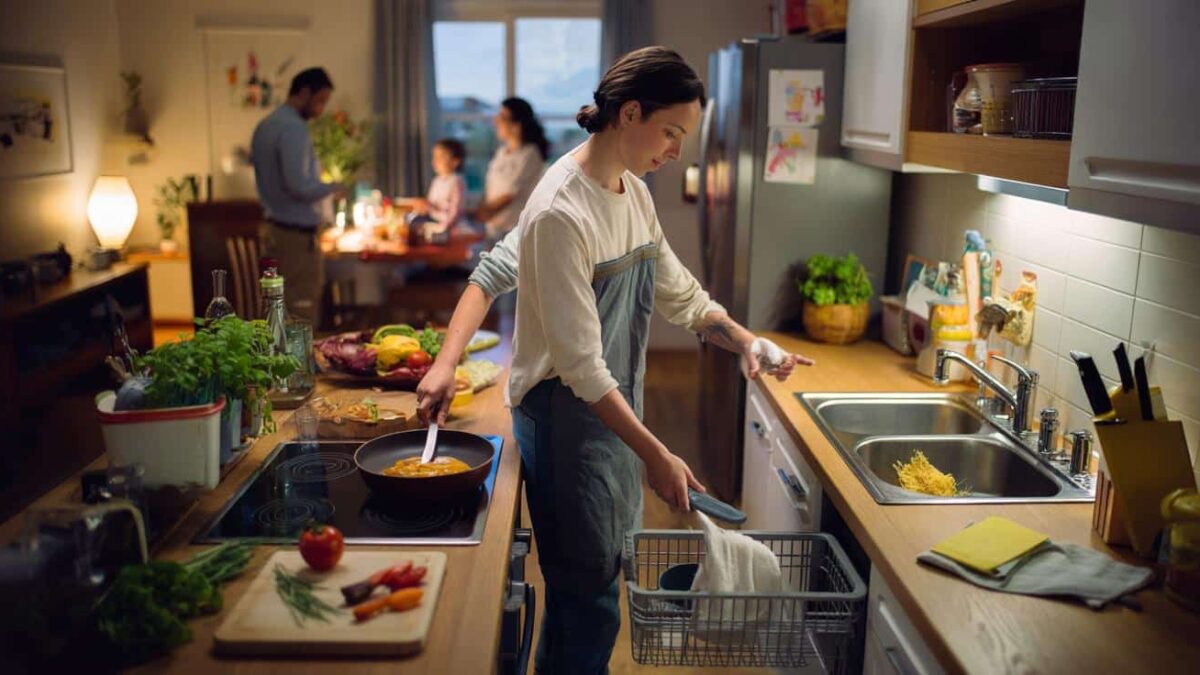
Picture this: you’re in the midst of preparing a weeknight meal, with pots simmering and ingredients scattered across the counter. While some let the clutter pile up until dishes are done, others instinctively wipe surfaces, rinse tools, and toss scraps mid-process. This clean as you cook approach isn’t just about tidiness—psychology reveals it points to eight unique personality traits that shape how these individuals navigate life.
Far from obsessive neatness, this habit reflects deeper cognitive and emotional patterns. Studies on habit formation and cognitive load suggest it fosters calmer minds and smoother routines. Let’s dive into these distinctive traits that set clean as you cook enthusiasts apart.


1. They Act on Autopilot Without Needing Motivation
Individuals who clean as they cook rarely pause for inspiration. They grab a cloth to wipe spills or rinse utensils during downtime, like while water boils. This stems from low activation energy, where small tasks feel effortless rather than daunting.
Psychologists describe this as implementation intentions—pairing triggers like “oven preheating” with quick actions. Over time, it forms habit loops that bypass decision fatigue, keeping kitchens functional without end-of-night marathons.
Consider a home cook hosting friends: they chop veggies, chat, and seamlessly clear space. By meal’s end, the kitchen hums with order, freeing mental energy for enjoyment. This proactive style prevents mess from snowballing.
2. They Seek Micro-Order Amid Everyday Chaos
In a world of constant distractions—work pings, family demands—these people create small zones of control. Wiping a counter or aligning spices mid-cook offers a quick win against overwhelm.
Cognitive load theory explains why: visual clutter drains mental resources subconsciously. By pruning in real time, they reduce noise, sharpening focus on the task at hand.
Benefits of This Instinct
- Lowers stress hormones during busy evenings.
- Provides a mental reset, improving mood post-meal.
- Turns the kitchen into a sanctuary, not a stressor.
After a hectic day, that single rinsed pan shifts the atmosphere from tense to manageable, proving micro-order is a powerful regulator.
3. They Practice Self-Respect Through Daily Rituals
Cleaning as you cook embodies quiet self-care. It’s not for show but a personal standard: “I deserve a space that energizes, not exhausts.”
Late-night solo cooks still reset counters, honoring their future rest. This aligns with self-compassion research, where nurturing your environment reinforces self-worth.
Such rituals build dignity invisibly, like folding a towel or lighting a candle amid prep. They transform chores into acts of kindness toward oneself.
4. They Prioritize Future-Self Thinking
These individuals think ahead in bite-sized ways. Loading the dishwasher while sauce simmers avoids late-night dread of crusted pots.
Rooted in delay discounting, they value short-term effort for long-term ease. This extends beyond kitchens—to prepping bags or handling emails promptly.
Gentle boundaries shine too: they tidy while conversing, protecting peace without confrontation. It’s learned wisdom from past regrets, fostering sustainable habits.
5. They Integrate Cleaning as a Seamless, Enjoyable Flow
Rather than announcing tidying, they weave it into cooking rhythms. Pauses become reset opportunities, like sweeping crumbs while rice steams.
To adopt this, set anchor moments: clear counters when oven dings. Keep tools handy—a sponge nearby turns waits productive.
- Pair with music or podcasts for pleasure.
- Embrace “good enough”—three quick wipes trump perfection.
- Forgive slip-ups to avoid guilt cycles.
This low-pressure approach makes clean as you cook feel natural, not nagging.
6. They Cultivate a Calmer Home Atmosphere
Consistent mid-cook resets ripple outward, easing family dynamics. Tables stay clear for gatherings; sink piles spark fewer arguments.
Shared spaces influence moods profoundly. Handled proactively, mess loses symbolic power, shifting talks from blame to bonding.
Others notice the absence keenly, highlighting how these habits promote harmony and reduce friction daily.
7. They Demonstrate Strong Focus and Reduced Procrastination
People who clean as they cook excel at maintaining momentum. By tackling micro-tasks immediately, they sidestep procrastination traps that larger cleanups create.
This trait ties to executive function skills, where sustained attention prevents overload. Kitchens stay workable, mirroring productivity in work or hobbies.
Result? Evenings end lighter, with energy spared for relaxation or relationships, amplifying overall efficiency.
8. They Foster Greater Mindfulness and Life Satisfaction
Mindful presence defines this group—they stay grounded by syncing actions with the moment. Each rinse or wipe anchors them amid mental chatter.
Long-term, this builds resilience, as psychology links such practices to lower anxiety and higher well-being. Homes feel welcoming, lives more intentional.
It’s a subtle superpower: turning routine into ritual elevates daily joy.
Why Adopting These Traits Can Transform Your Routine
Embracing clean as you cook unlocks calmer minds, stronger self-regard, and harmonious homes. These eight traits aren’t innate gifts but cultivable skills—start small for profound shifts.
Psychology underscores the payoff: less stress, more presence, deeper satisfaction. Whether solo or shared, this habit reclaims time and peace. Try one trait today; watch your kitchen—and life—evolve into something smoother, kinder, and undeniably yours.