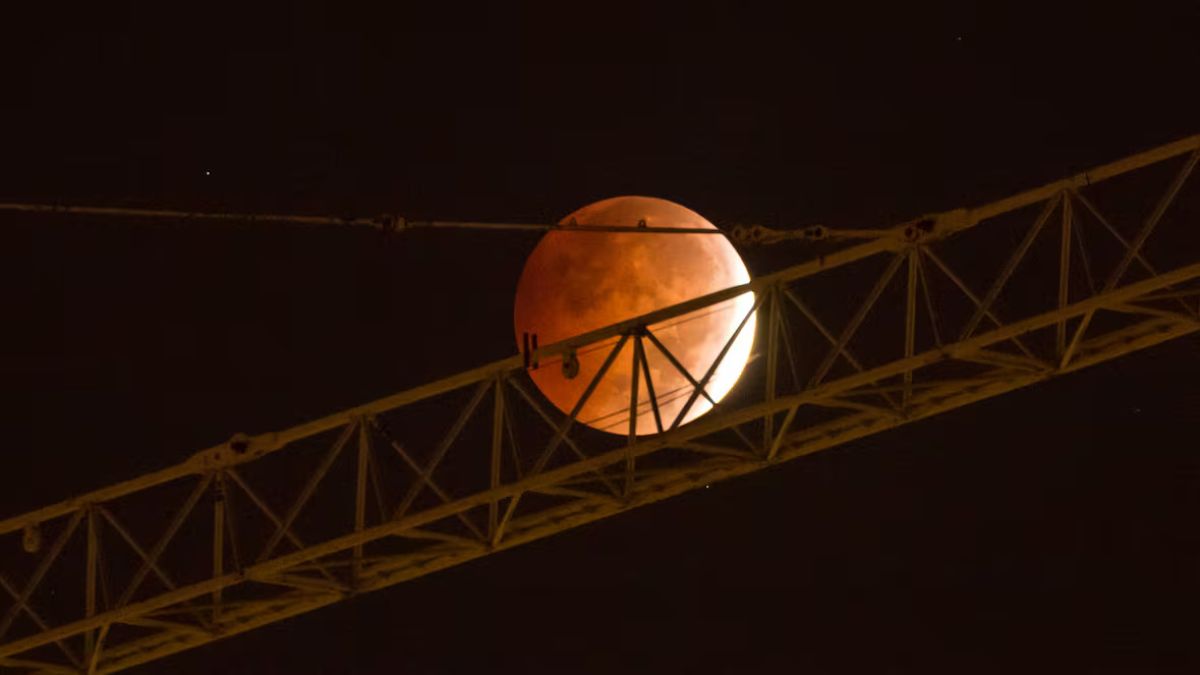
A stunning total lunar eclipse is set to light up the night sky on March 1, 2026, transforming the full Moon into a dramatic red orb known as the blood moon. This rare event will be visible across much of North America during the overnight hours, offering skywatchers a front-row seat to the wonders of our solar system. Whether you’re a seasoned astronomer or a curious beginner, this celestial show promises awe-inspiring moments under clear skies.
These alignments of the Sun, Earth, and Moon don’t happen often, making the 2026 eclipse a highlight for stargazers everywhere. As Earth’s shadow engulfs the Moon, it creates a vivid display of cosmic geometry. Get ready to witness this natural spectacle that reminds us of our tiny yet magnificent place in the universe.


Understanding the Science Behind the Blood Moon
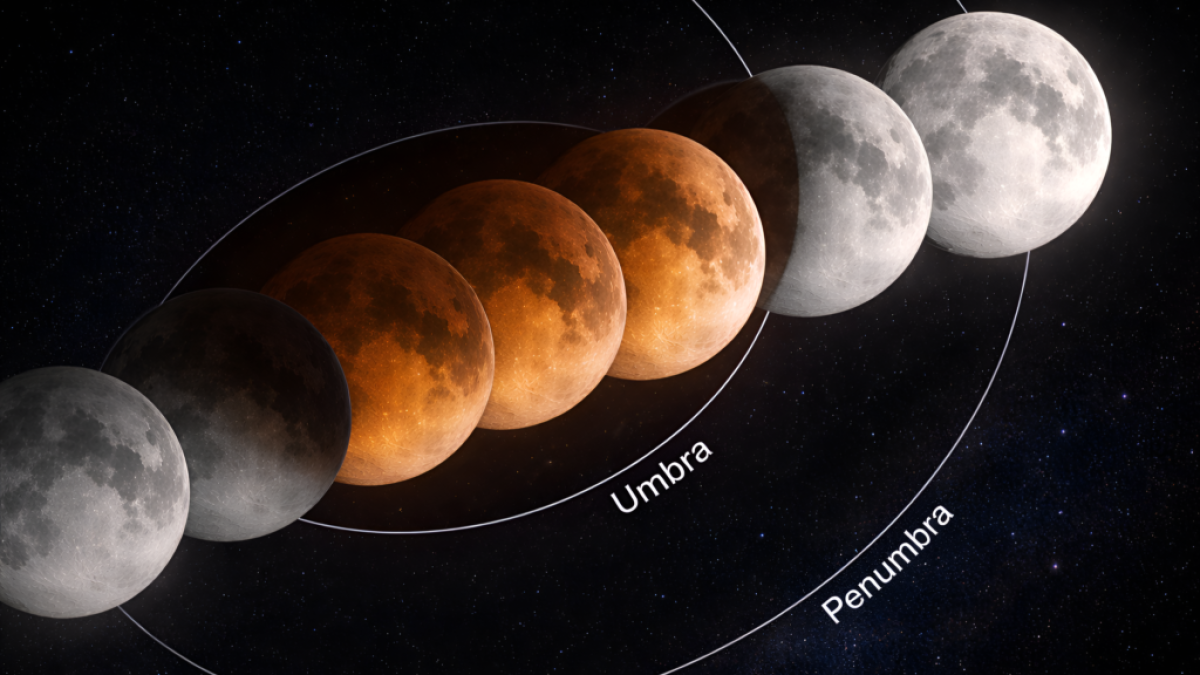
A total lunar eclipse occurs when Earth slips precisely between the Sun and Moon, projecting its shadow onto the lunar surface. Instead of disappearing into darkness, the Moon glows with a distinctive red hue, captivating observers worldwide.
This reddish color stems from Earth’s atmosphere functioning as a giant lens. It scatters shorter blue light waves away while allowing longer red wavelengths to curve around the planet and bathe the Moon in fiery tones.
What Causes the Iconic Red Hue?
The effect is similar to the vivid reds of sunrise and sunset. Earth’s atmosphere scatters blue light, letting red rays dominate and paint the Moon in shades ranging from burnt orange to deep scarlet.
Conditions like dust, volcanic particles, or high-altitude clouds can alter the intensity. Each eclipse thus offers a unique visual palette, thanks to this Rayleigh scattering process that colors our daily skies and elevates the night Moon to an ember-like glow.
Scientists value these events for studying atmospheric composition. The varying red intensity provides clues about global air quality and recent eruptions.
When and Where to Catch the 2026 Eclipse
Prime viewing stretches across North America, from the Atlantic coast to the West Coast. The eclipse unfolds overnight, so check your local time zone for peak action.
Totality—the moment of full shadow and maximum red glow—lasts under an hour. Yet the entire sequence spans hours, building tension through its phases.
Key Stages of the Total Lunar Eclipse
The progression adds layers of drama to the night.
- Penumbral phase: The Moon dims subtly as it enters the outer, faint shadow of Earth.
- Partial phase: A shadowy bite appears on the Moon’s edge, slowly expanding.
- Totality: The Moon fully enters the umbra, igniting its red transformation.
- Exit phases: The shadow retreats in reverse, restoring the Moon’s brilliance.
Use apps like Stellarium or NASA’s resources for exact timings. Escape city lights for rural spots to minimize pollution and maximize clarity.
This continent-wide visibility makes it accessible for families in the US and Canada alike. It’s an educational gem blending science with sheer wonder.
Safe Viewing Tips for an Unforgettable Experience
Lunar eclipses stand out for their safety—no eye protection required. Stare directly at the blood moon with naked eyes, unlike risky solar views.
Boost your observation with simple gear. Binoculars highlight craters against the crimson backdrop; telescopes reveal intricate surface details.
Best Practices for Observing
Preparation ensures comfort and success.
- Select sites with clear eastern horizons for moonrise views.
- Layer up against late-night cold; pack chairs and blankets.
- Track forecasts for cloud-free nights.
- Connect with astronomy groups for guided sessions.
- Snap shots via smartphone night mode or DSLR long exposures.
NASA calls these events ideal for newcomers—just patience and weather luck needed. Amplify the fun by sharing #BloodMoon2026 online with fellow enthusiasts.
The Rarity and Cultural Significance of Blood Moons
Full Moons rarely achieve totality due to the Moon’s tilted orbit. Only exact syzygy—straight-line alignment—delivers the full effect.
This infrequency draws crowds, from researchers probing atmospheres to hobbyists ticking cosmic boxes. The 2026 edition aligns with rising astronomy buzz from space explorations.
Historically, blood moons fueled legends across cultures, shaping calendars and myths. Today, they spark STEM interest, especially in young minds, merging heritage with cutting-edge knowledge.
Orbital mechanics shine here, showcasing Earth’s shadow dynamics. It’s a free lesson in astronomy, fostering deeper universe appreciation.
Photography and Advanced Strategies
Capture the magic with a sturdy tripod. Dial in wide apertures, low ISO, and extended exposures during totality for sharp reds.
Tools like PhotoPills forecast paths and simulate scenes. Time-lapses track the shadow’s dance, ideal for social reels or blogs.
Monitor contacts for umbra and penumbra precisely. Pair with star maps to identify neighboring planets, turning the night into a stellar hunt.
Advanced viewers log data for citizen science. Contribute to global databases tracking eclipse variability.
Why This Eclipse Demands Your Attention
The March 1, 2026, total lunar eclipse blends beauty, science, and accessibility into one night. Its red allure reveals atmospheric wizardry and precise orbits, viewable across North America.
Perfect for solo reflection or family bonding, it reignites our stellar curiosity. Mark calendars, scout spots, and embrace the blood moon—a timeless cosmic gift urging us skyward.
As future events loom, this one stands as a must-see beacon. Don’t let clouds or complacency rob you; the universe awaits your gaze.