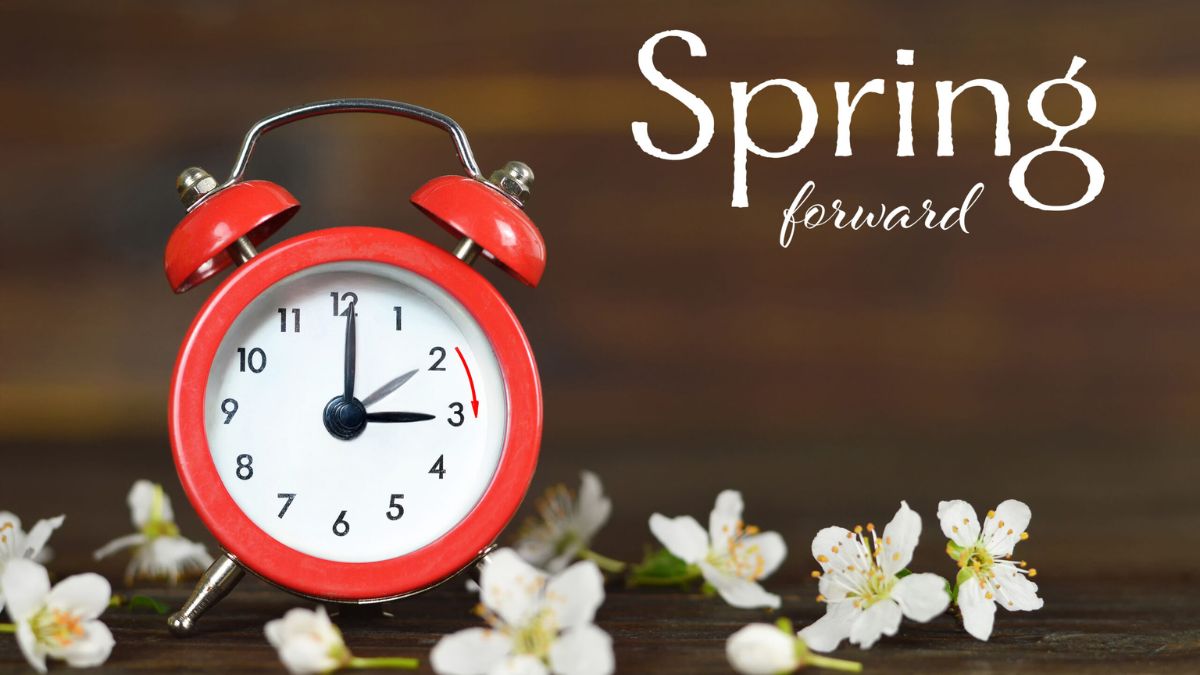
As winter fades and warmer days approach, Americans across the country are gearing up for the biannual clock adjustment known as daylight saving time. In 2026 daylight saving time officially begins on March 8, when most regions will spring forward one hour, trading sleep for extended evening sunlight. This shift impacts daily routines, from work schedules to outdoor plans, and sparks renewed discussions on whether it’s time to make changes permanent, especially in states like New Jersey pushing legislative reforms.
While the exact timing might catch some off guard, preparation is key to avoiding Monday morning chaos. Federal rules dictate this schedule for nearly all U.S. states, excluding Arizona and Hawaii, ensuring consistency amid ongoing national debates.



When Does Daylight Saving Time Begin and End in 2026?
The daylight saving time 2026 start is set for 2 a.m. on Sunday, March 8, as clocks advance to 3 a.m. This marks the end of standard time and the beginning of brighter evenings. The period lasts about eight months, concluding at 2 a.m. on Sunday, November 1, when clocks fall back to 1 a.m.
Key Dates for 2026 Clock Adjustments
- Spring Forward: March 8, 2026 – Clocks jump ahead one hour, shortening the night.
- Fall Back: November 1, 2026 – Gain an extra hour for rest or activities.
- Total Duration: Roughly 240 days of adjusted time to align with seasonal light patterns.
These dates follow the long-standing U.S. tradition of the second Sunday in March for starting and the first Sunday in November for ending. Most smartphones and devices auto-adjust, but manual clocks on walls, ovens, and cars require attention.
Understanding this timeline helps families, commuters, and businesses plan effectively. For instance, shift workers or parents with school schedules can anticipate the temporary disruption to circadian rhythms.
Is the Spring Forward Happening This Weekend? 2026 Preparation Guide
No, clocks do not spring forward this weekend for 2026—it’s scheduled precisely for March 8. With winter still in full swing for many, now is the perfect time to add this date to your calendar and prepare accordingly.
In regions like South Jersey, where local advocacy for reforms is strong, the change aligns with national norms. To make the transition seamless:
- Advance analog clocks the evening before to wake up on time.
- Enable auto-sync on digital devices like phones and computers.
- Check vehicle clocks and appliances during weekend errands.
Common Adjustment Methods
Many rely on built-in smartphone features that detect location-based changes automatically. For those without, apps and smart home systems like Google Home or Alexa offer reminders and updates.
This global practice, adopted by over 70 countries, aims to optimize daylight for leisure and energy use, though initial grogginess is a frequent complaint. Stock up on coffee and plan lighter Sunday activities to ease into the new schedule.
The Effects of Losing an Hour: Pros, Cons, and Health Tips
Springing forward means losing 60 minutes overnight, which can compress your morning routine on March 8, 2026. While evenings gain precious sunlight for barbecues or sports, mornings start later, potentially delaying commutes.
On the flip side, the November fall back provides a bonus hour, boosting weekend vibes. Advocates highlight benefits like reduced evening traffic accidents and more family time outdoors.
Critics, however, point to health drawbacks, including increased heart attack risks and sleep disturbances in the week following. To mitigate:
- Gradually shift bedtime earlier in the days leading up.
- Expose yourself to natural morning light post-change.
- Stay hydrated and avoid heavy meals before bed.
These shifts underscore DST‘s trade-offs, fueling calls for stability.
New Jersey’s Drive for Permanent Daylight Saving Time
New Jersey made significant progress in November 2025 toward adopting year-round daylight saving time, mirroring efforts in other states. Legislation advanced but awaits federal approval, as only Congress can authorize permanent changes.
National Political Momentum
- 19 states have passed bills supporting permanent DST.
- The Sunshine Protection Act, reintroduced in 2025, aims to end clock switches nationwide.
- Nearby Pennsylvania and Delaware echo resolutions to eliminate biannual adjustments.
- 29 states introduced measures against ongoing changes.
President Trump’s comments reflect divided opinions: favoring evening light in one statement, standard time in another. Permanent DST would mean consistently later sunsets, ideal for after-work activities, while standard time prioritizes early sunrises for safety and biology.
Until federal action, the 2026 schedule remains unchanged, keeping preparations essential.
Spring Equinox 2026 and the Dawn of Warmer Days
The astronomical first day of spring 2026 arrives on Friday, March 20, at 10:46 a.m. ET, during the vernal equinox. This event balances day and night globally due to Earth’s axial tilt.
Coming soon after DST starts, it signals blooming flowers, rising temperatures, and outdoor enthusiasm, especially in South Jersey. Extended evenings from daylight saving time amplify spring’s joys, perfect for parks and events.
Historically rooted in Benjamin Franklin’s 1784 satire, modern DST conserves energy by shifting work hours to match sunlight. Yet, with LED efficiency, its necessity is questioned.
History, Rationale, and the Future Outlook for DST
Initiated during World War I for fuel savings, daylight saving time became standard post-1966 Uniform Time Act. It promotes evening productivity but faces scrutiny over minimal energy gains and health costs.
The 2022 Senate-passed Sunshine Protection Act stalled in the House, with 2025 revivals ongoing. States like New Jersey lead the charge, potentially reshaping routines if enacted.
As technology evolves, debates intensify: permanent DST for convenience or standard time for health? Watch legislative updates closely.
Conclusion: Gear Up for a Smooth 2026 DST Transition
The 2026 daylight saving time start on March 8 encapsulates tradition amid transformation. From clock tweaks to policy pushes in New Jersey and beyond, staying informed ensures minimal disruption.
Embrace the extra evening light for adventures, adjust wisely, and monitor news for permanence. Whether you love or loathe DST 2026, preparation turns potential hassle into opportunity—here’s to brighter days ahead!