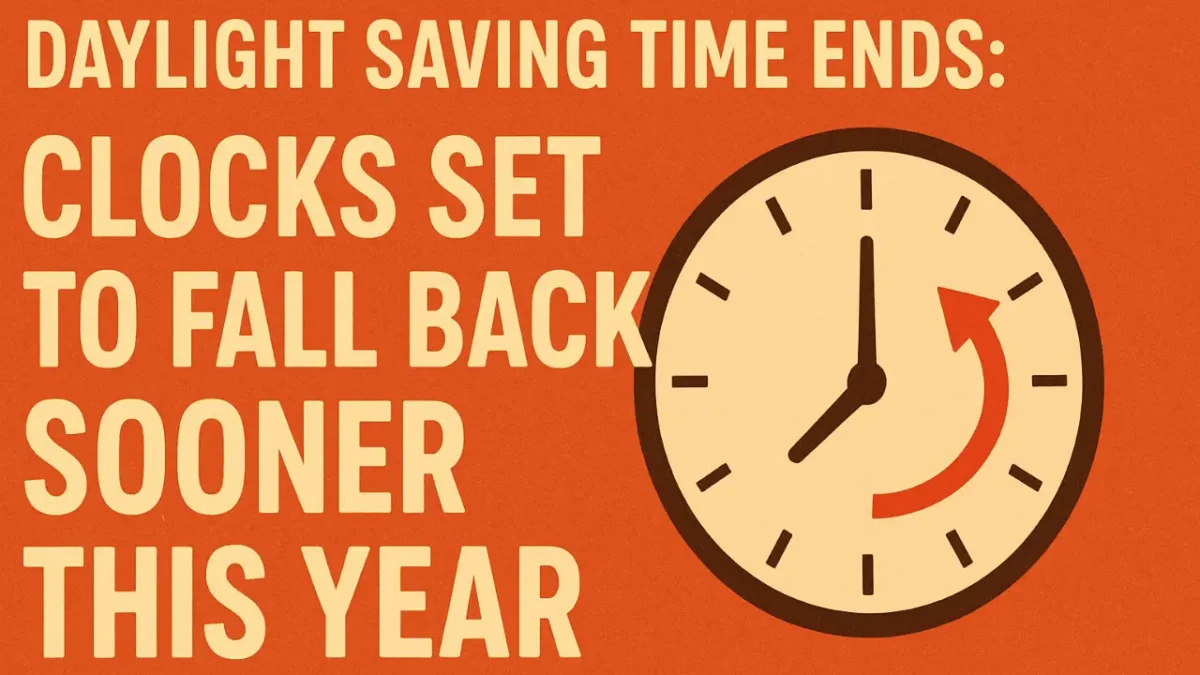
With autumn’s chill in the air, residents in many regions are preparing for the Daylight Saving Time 2026 change, where clocks will fall back earlier than usual in certain places. This adjustment sparks fresh discussions on the relevance of DST in modern life, balancing energy savings against health disruptions and economic effects. Understanding its history, pros, cons, and exact 2026 dates will help you navigate this shift seamlessly.
The Origins and Evolution of Daylight Saving Time


The idea behind Daylight Saving Time dates back centuries, first suggested in a lighthearted 1784 essay by Benjamin Franklin. He jokingly urged Parisians to rise earlier to cut down on candle use and enjoy more evening sunlight.
Though satirical, Franklin’s notion gained traction over time. By the early 20th century, global events turned it into practical policy.
World War I Ignites Widespread Use
In 1916, Germany pioneered DST to conserve coal for the war effort by maximizing daylight. Allies like the UK soon followed, proving its value in resource management during crises.
This wartime strategy laid the foundation for broader adoption, influencing policies far beyond Europe.
Standardizing DST in the United States
The U.S. embraced Daylight Saving Time via the Standard Time Act during World War I for similar fuel-saving reasons. Post-war chaos from varying local rules prompted the 1966 Uniform Time Act.
This law set uniform national standards, permitting opt-outs for states or territories—a framework still guiding DST 2026 observance today.
Key Advantages Promoted by DST Proponents
Supporters highlight how Daylight Saving Time stretches evening daylight, aiding leisure and productivity. Spring’s clock-forward move cuts early-evening lighting needs, yielding slight energy reductions.
Even with efficient LEDs today, the practice endures for its proven, if modest, efficiencies.
Boosting Economies and Daily Life
Longer evenings fuel retail, tourism, and sports industries. Golf ranges and patios thrive with extra light, driving revenue and community engagement.
DST encourages active lifestyles too, from post-work jogs to outdoor family time, combating inactivity.
Improving Evening Safety
Increased visibility reduces evening crimes and traffic accidents. Studies link brighter hours to fewer incidents, bolstering road and pedestrian safety.
These benefits shine brightest in areas with significant seasonal light changes.
Challenges and Criticisms Facing Daylight Saving Time
Opponents view Daylight Saving Time as obsolete, citing severe health tolls from sleep disruptions. The spring shift often triggers rises in heart issues, strokes, and crashes.
Fatigue lingers, hitting productivity across offices and schools alike.
Modern Doubts on Energy Efficiency
Recent analyses reveal DST‘s energy gains are minimal. Evening AC use in warmer weather often negates lighting savings.
Agricultural sectors suffer too, with mismatched schedules harming farming and livestock routines.
Operational Hassles in a Digital Age
Time changes strain IT systems worldwide, incurring high update costs. Global business and flights grapple with coordination glitches.
Such frictions fuel demands to scrap or simplify DST for smoother operations.
Global Variations in DST Practices
About 70 nations use Daylight Saving Time, while most stick to permanent standard time. Equatorial countries skip it due to consistent day lengths.
Asia, Africa, and much of Latin America favor stability over minor adjustments.
Europe’s Heated Discussions
The EU approved ending changes but can’t settle on permanent time. Clock shifts persist amid member state divides.
In North America, Hawaii and Arizona (minus Navajo areas) bypass DST entirely.
Daylight Saving Time 2026: Essential Dates and Details
Mark your calendars for Daylight Saving Time 2026 endings, with some fall back dates arriving sooner. Always check local variations for accuracy.
| Region | DST End Date | Time Adjustment | Non-Observing Areas |
|---|---|---|---|
| United States | Sunday, November 2, 2026 | Fall back one hour | Hawaii, Arizona (except Navajo Nation) |
| Canada | Sunday, November 2, 2026 | Fall back one hour | Saskatchewan |
| European Union | Sunday, October 26, 2026 | Fall back one hour | Various policies |
| Australia (NSW, VIC, SA, TAS) | Sunday, April 6, 2026 | Fall back one hour | Queensland, Western Australia, Northern Territory |
| Brazil | No DST | N/A | All regions |
| India | No DST | N/A | All regions |
Practical Tips to Ease the Fall Back in 2026
Adapt effortlessly to the Daylight Saving Time 2026 fall back with these strategies:
- Gradual shift: Adjust bedtime 15-20 minutes earlier nightly in advance.
- Morning light therapy: Get outdoor exposure soon after waking to reset your body clock.
- Consistent habits: Maintain regular meals and workouts for rhythm stability.
- Limit stimulants: Cut evening caffeine and blue light from devices.
- Extra sleep buffer: Prioritize more rest pre-change to buffer fatigue.
Research Highlights on DST’s True Effects
Studies in journals like Sleep Medicine tie Daylight Saving Time shifts to health spikes, especially post-spring change. Cardiac events peak early in the week after.
Productivity losses run into billions yearly, per economic reports. A 2017 review confirmed energy benefits are dwarfed by other costs.
The Road Ahead for Daylight Saving Time
As Daylight Saving Time 2026 unfolds, momentum builds for reform. Tech progress and health priorities question its foundations.
U.S. bills and EU talks push for permanent time, eyeing gains in wellness, efficiency, and global sync. Ditching biannual tweaks could modernize how we align with nature.
Ultimately, DST mirrors our tug-of-war between tradition and progress. Whether clinging to history or embracing change, it profoundly influences daily rhythms and societal well-being.